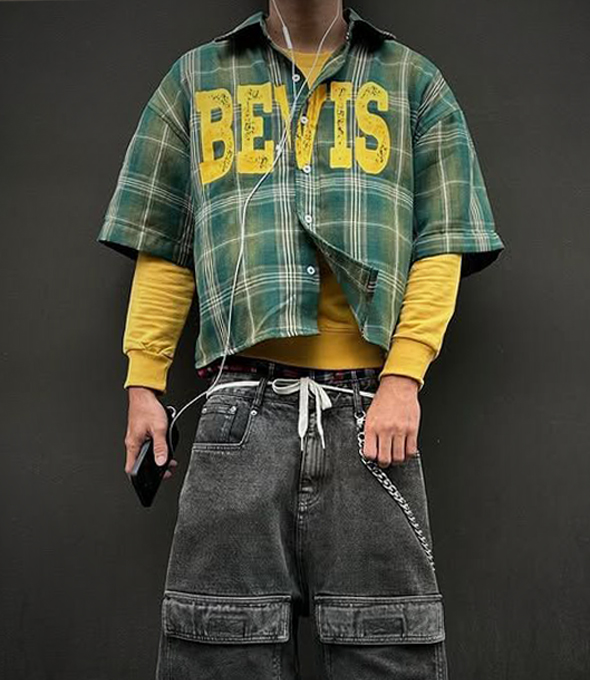
The Fabric Makes the Fade: Flannel, Twill, or Brushed Cotton for Vintage Streetwear Shirts?
A vintage streetwear shirt can look easy on a hanger. Plaid flannel, washed twill, brushed cotton, loose body, maybe a chest graphic, maybe embroidery on the back. Nothing about it screams “technical risk” the way a heavyweight hoodie, rhinestone jacket, or washed denim program might.
But the problems usually show up later. After the first wash test. After the shirt comes back half an inch shorter than expected. After embroidery pulls the back panel tighter. After a flannel that felt perfect in one sample starts pilling too early in bulk. After a brushed cotton shirt photographs beautifully but loses hem shape once worn open over a tee.
That is why the question “flannel, twill, or brushed cotton?” is not really a fabric preference question. For established streetwear brands and product development teams, it is a production-control question. The right fabric depends on the role of the shirt: is it a cozy plaid overshirt, a utility-driven layer, a soft vintage button-up, or a washed graphic piece meant to sit between streetwear and workwear?
Procurement teams should not approve fabric only by hand feel. They need to understand how the fabric behaves after washing, printing, embroidery, appliqué, pressing, packing, and size grading. A vintage streetwear shirt is not just cut and sewn. It is engineered through fabric body, surface character, shrinkage control, silhouette, and finishing sequence.
Which fabric works best for a vintage streetwear shirt?
Quick Answer: There is no single best fabric. Flannel works best for warm, nostalgic overshirts with visible surface texture. Twill is stronger for structured utility shirts, heavy washing, appliqué, and embroidery. Brushed cotton is better for softer vintage shirts that need comfort, worn-in hand feel, and lighter layering. The best choice depends on wash, fit, decoration, and bulk stability.
Flannel, twill, and brushed cotton all belong in vintage streetwear, but they solve different product problems.
Flannel carries the most immediate vintage signal. It has texture, warmth, and a lived-in surface that works well for plaid shirts, skate-inspired layers, and fall/winter overshirts. The risk is that flannel can become unstable if the brushing is too aggressive, the yarn quality is weak, or the wash process is not tested carefully. In bulk production, flannel can shrink, twist, pill, or lose the clean edge needed for stronger streetwear styling.
Twill is the most structurally reliable option. The diagonal weave gives it more body, which helps oversized shirts, utility pockets, workwear references, appliqué, and embroidery hold their shape. Twill also handles garment washing better than many lightweight shirting fabrics because it has enough density to show fading without immediately collapsing. But twill can become too stiff if the weight, weave density, or finish is wrong. A vintage shirt should feel broken-in, not rigid like a uniform.
Brushed cotton sits between the two. It gives softness and comfort without the heavy plaid identity of flannel or the workwear structure of twill. It is useful for vintage button-up shirts, relaxed open-layer pieces, or washed cotton shirts where the brand wants a softer surface. The main risk is shape loss. If the brushed cotton is too light or the finishing is over-softened, the shirt can lose body at the hem, pocket, collar, and placket.
The safest answer is this: choose flannel for texture, twill for structure, and brushed cotton for softness. Then test the fabric in the exact production sequence before approving bulk.
Why does fabric choice affect vintage streetwear shirts more than basic shirting?
Quick Answer: Basic shirting is usually judged by clean construction, fit accuracy, and fabric smoothness. Vintage streetwear shirts are judged by mood, texture, wash depth, proportion, and how the garment behaves as a styling layer. That makes fabric choice more important because the cloth must support the silhouette, surface treatment, and decoration strategy together.
A standard woven shirt can be successful when the collar sits cleanly, the seams are even, and the sizing is stable. A vintage streetwear shirt has a different job. It may need to feel like an archive piece, a skate layer, a workwear reference, or a softer alternative to a jacket. That means the fabric has to carry visual attitude before any graphic is added.
Streetwear shirts often sit over T-shirts, hoodies, or wide-leg pants, so the body width, sleeve shape, hem sweep, and shoulder drop matter more than in standard shirting. If the fabric is too limp, the oversized fit looks weak. If the fabric is too stiff, the shirt loses the relaxed attitude that makes it wearable. If the surface is too flat, washing and fading may look artificial. If the surface is too fuzzy, prints and embroidery may lose definition.
This is where many general apparel factories misread the category. They treat the shirt as a normal woven product with a looser fit. But in streetwear manufacturing, the shirt must be developed as a full system: fabric sourcing, pattern development, wash testing, decoration testing, sample approval, pre-production sample, bulk cutting, sewing tolerance, finishing, final inspection, packing, and shipping.
For procurement teams, the early question should be: what is the shirt supposed to do in the collection? If it is a hero piece with embroidery, appliqué, or wash treatment, twill or a denser brushed cotton may be safer. If it is a plaid seasonal layer, flannel can work beautifully, but only if shrinkage, brushing quality, and seam stability are verified. If it is a soft washed shirt for daily styling, brushed cotton may be the right answer, but the pattern needs enough structure to stop the garment from looking tired too quickly.
When should brands choose flannel for vintage streetwear shirts?
Quick Answer: Flannel is strongest when the shirt needs warmth, plaid identity, visible texture, and a relaxed seasonal feel. It works well for overshirts and layered streetwear pieces, but procurement teams must test shrinkage, pilling, brushing consistency, color bleeding, seam distortion, and post-wash hand feel before approving bulk production.
Flannel is not just “soft cotton with plaid.” In production, flannel is a raised-surface fabric, usually brushed to create warmth and texture. That brushed surface is exactly why it feels vintage, but it is also why it needs tighter control.
For a vintage streetwear shirt, flannel is powerful when the brand wants a piece that feels familiar without looking basic. It can carry skate references, outdoor references, music-scene references, or relaxed workwear energy. A heavier flannel can work as an overshirt. A medium flannel can work as a button-up layer. A softer flannel can work for a worn-in, slightly slouchy silhouette.
The issue is bulk behavior. Flannel can change after washing. The pile can flatten. The surface can pill. The fabric can shrink more than expected. Plaid alignment can drift at the side seam, pocket, or front placket. If the shirt has a boxy fit, shrinkage can make the body too short. If it has drop shoulders, the sleeve balance can change after finishing.
Decoration also needs care. Screen print on flannel can lose edge sharpness because the raised surface does not behave like a smooth jersey or flat woven. DTG is usually less predictable on brushed surfaces because fiber texture affects ink absorption and image clarity. Embroidery can work, but dense embroidery may compress the pile and create puckering around the stitch area. Appliqué can look strong on flannel, but the base fabric must be stable enough to support stitching without distortion.
Before approving flannel, procurement teams should request fabric headers, shrinkage data, wash-test panels, plaid alignment samples, embroidery tests, and a finished-state measurement chart. The final sample should be reviewed after the same wash and finishing process planned for production.
When is twill the stronger choice for vintage streetwear shirts?
Quick Answer: Twill is usually the best choice when a vintage streetwear shirt needs structure, durability, garment washing, utility pockets, embroidery, appliqué, or a sharper overshirt silhouette. Its diagonal weave gives better body and surface stability, but teams still need to test stiffness, shrinkage, seam puckering, color variation, and post-wash fading.
Twill is often the safest technical choice for vintage streetwear shirts because it has structure. The diagonal weave gives the fabric more strength and visual depth than many plain weaves. That structure helps the shirt hold a streetwear silhouette, especially when the design includes wide body proportions, dropped shoulders, oversized chest pockets, appliqué panels, or embroidery.
For utility-inspired shirts, twill is especially useful. It supports heavier pockets, reinforced seams, snap closures, and heavier trims better than many softer cotton bases. It also takes garment washing well when the fabric is properly sourced. Acid wash, stone wash, and enzyme wash each affect twill differently. Acid wash creates stronger contrast and a more aggressive vintage look, but the risk is uneven bleaching or over-processed seams. Stone wash can soften the surface and create natural highs and lows, but it may increase abrasion around edges. Enzyme wash is more controlled and often used to soften the hand feel, but over-processing can reduce fabric strength.
Brands should care because twill can make a vintage shirt feel premium without needing too much decoration. The fabric itself carries weight, drape, and attitude. But it can also go wrong. A twill that is too heavy may restrict movement. A twill that is too tightly finished may resist the vintage wash. A twill that is poorly dyed may show batch-level shade differences.
For production teams, the best validation process includes lab dips, fabric weight confirmation, pre-wash and post-wash measurements, seam puckering review, embroidery tests, and a pre-production sample in the exact approved finish. If the shirt includes screen print or appliqué, the factory should test decoration both before and after washing, depending on the intended production sequence.
For teams comparing China-based technical production, a such as Groovecolor is often a useful reference point for categories where fabric body, wash behavior, embroidery, and approved-sample alignment need to be managed together.
When does brushed cotton make more sense than flannel or twill?
Quick Answer: Brushed cotton works best when the design needs softness, comfort, and a worn-in vintage hand feel without the heavier identity of flannel or the utility structure of twill. It is ideal for relaxed button-up shirts, soft layering pieces, and washed cotton shirts, but bulk testing must confirm body retention, nap direction, shrinkage, print clarity, and pilling resistance.
Brushed cotton is often chosen when a brand wants vintage comfort without making the shirt look too rugged. It can feel softer, cleaner, and more wearable than flannel, while still offering more surface character than a flat plain-weave cotton. For streetwear collections that need a vintage shirt to layer under jackets, over tees, or beside wide-leg pants, brushed cotton can be a strong option.
The key is balance. Brushed cotton should feel soft, but not weak. It should look worn-in, but not washed out before the customer wears it. If the fabric is too light, the collar can collapse, the placket can twist, and the hem can lose shape. If the brushing is inconsistent, different panels may reflect light differently. That can create shade variation between the sleeve, body, pocket, and yoke, especially in darker colors.
Print and embroidery also need testing. Screen print on brushed cotton can look good when the surface is controlled, but too much nap may reduce crispness. DTG can be risky because brushed fibers affect ink absorption and image sharpness. Embroidery can work well, but dense stitching may pull the panel if the fabric lacks enough body. Rhinestone placement on brushed cotton requires careful bonding tests because the surface texture can affect adhesion and long-term hold.
Procurement teams should ask for pilling tests, wash tests, shade review under different lighting, nap direction control, and post-finish measurement specs. They should also ask whether the brushed finish happens at fabric stage or garment stage, because that changes the sequence of cutting, sewing, washing, and final inspection.
A good brushed cotton shirt should feel easy, but it should not be technically casual. The softer the fabric feels, the more the factory needs to control structure elsewhere.
How do wash and finishing techniques change the fabric decision?
Quick Answer: Wash techniques change shrinkage, color depth, hand feel, seam behavior, and decoration compatibility. Acid wash creates stronger contrast but higher variation risk. Stone wash adds natural abrasion but can weaken edges. Enzyme wash improves softness with better control. Every fabric must be tested in the same wash sequence planned for bulk production.
Vintage streetwear shirts rarely depend on raw fabric alone. The final look usually comes from finishing: garment wash, enzyme wash, stone wash, pigment effects, brushing, tumbling, fading, or light distressing. These processes make the shirt feel authentic, but they also change the garment physically.
Acid wash is dramatic. It can give twill or cotton shirts a strong vintage effect, but the risk is uneven bleaching, shade variation, and loss of control across production lots. Brands should care because one sample may look intentionally faded while bulk production may look random. Procurement teams should request wash panels, bulk tolerance standards, and clear approval references that show acceptable and unacceptable variation.
Stone wash creates a more natural worn-in effect. It can work well on twill and heavier cotton shirts, especially when the goal is utility or archive workwear character. The risk is edge abrasion, seam wear, and measurement change. Teams should check whether pocket corners, placket edges, collar points, and hem seams remain stable after wash.
Enzyme wash is more controlled and often used to soften hand feel. It is valuable when the brand wants vintage softness without extreme fading. But enzyme wash still affects shrinkage, surface hair, and color depth. Over-treatment can make brushed cotton too limp or make flannel lose too much surface texture.
Finishing also affects decoration. Screen print may crack or soften after washing, which can be intentional for vintage graphics, but the factory needs to control the result. DTG can lose clarity if the wash sequence is not planned. Embroidery may pucker if the garment shrinks around the stitched area. Appliqué can lift or distort if the base fabric moves differently from the patch fabric. Rhinestones require bonding tests after wash and heat exposure.
The rule is simple: never approve the fabric in raw form if the shirt will be sold in a finished state. Approve the finished garment.
How should oversized fit change the way teams evaluate these fabrics?
Quick Answer: Oversized fit makes fabric behavior more visible. Flannel can feel cozy but may look bulky if the weight is wrong. Twill can hold shape but may feel stiff if overbuilt. Brushed cotton can drape well but may collapse if too light. Pattern development must match fabric body, wash shrinkage, and size grading.
Oversized shirts are not created by adding width everywhere. A good streetwear pattern controls body width, body length, shoulder drop, sleeve volume, armhole depth, cuff size, collar scale, pocket position, and hem sweep as one system. Fabric choice decides whether that system works.
Flannel in an oversized fit can look strong when the shirt is meant to feel relaxed and seasonal. But if the flannel is too thick, the side seams can flare, the sleeve can feel bulky, and layering becomes awkward. If the flannel is too soft, the shoulder may fall without intention. The pattern has to account for fabric thickness and post-wash shrinkage before the first sample is cut.
Twill gives stronger shape. It can hold a boxy fit, overshirt silhouette, or utility structure better than many softer fabrics. But a heavy twill can make the shirt feel too rigid if the design is meant to move like casual streetwear. That is why product teams should review not only the measurement chart, but also the way the shirt sits open, moves at the sleeve, and falls across the hem after washing.
Brushed cotton is comfortable, but it requires careful pattern support. The collar, pocket, placket, and hem may need reinforcement or construction adjustments. Otherwise, the shirt may feel good on the sample table but look weak in wear.
Grading is another common failure point. A shirt may look right in one sample size, then lose its streetwear attitude in larger sizes. Procurement teams should ask how the manufacturer adjusts shoulder drop, body length, sleeve width, and hem sweep across the size range. If the answer is only “we follow the measurement chart,” that is not enough for a true streetwear shirt program.
What should procurement teams test before approving bulk production?
Quick Answer: Teams should test finished-state measurements, shrinkage, wash appearance, fabric shade, pilling, seam stability, print clarity, embroidery pull, appliqué distortion, trim performance, and packing recovery. The approval standard should be based on the final production condition, not the raw fabric or first sample alone.
The safest approval process for a vintage streetwear shirt should move in stages.
First comes tech pack review. The manufacturer should check fabric type, garment weight target, fit intent, wash method, decoration sequence, trim package, seam construction, and size tolerance before sampling. This is where risk should be flagged early. For example, a brushed cotton shirt with dense back embroidery may need stabilizer adjustment. A flannel overshirt with large pockets may need plaid matching rules. A twill shirt with acid wash may need shade tolerance standards.
Second comes fabric sourcing and testing. Teams should request headers, lab dips, weight confirmation, hand-feel references, shrinkage tests, and wash trials. A fabric that looks right in a swatch can behave differently once cut, sewn, washed, and pressed.
Third comes sample development. The first sample should test the design direction, but it should not be treated as full production proof. The pre-production sample is more important because it should use approved fabric, approved trims, approved decoration, approved wash, and production-ready construction.
Fourth comes bulk cutting and sewing control. Fabric spreading, cutting accuracy, seam allowance, pocket placement, collar balance, and sleeve setting all matter. Small errors become visible in oversized shirts because there is more fabric surface and more visual space for imbalance.
Fifth comes finishing and inspection. The factory should inspect the shirt after washing, not only before finishing. Final inspection should include measurements, appearance, trim function, shade range, decoration placement, seam quality, packing recovery, and comparison against the approved pre-production reference.
For streetwear brands with proven sales, this process protects more than quality. It protects the visual identity of the collection.
So, should a vintage streetwear shirt use flannel, twill, or brushed cotton?
Quick Answer: Choose flannel when texture and seasonal warmth drive the design. Choose twill when structure, wash depth, utility styling, embroidery, or appliqué matter most. Choose brushed cotton when softness and easy layering are the priority. The best decision is not based on fabric name, but on finished-state behavior after wash, decoration, and bulk production testing.
The right fabric depends on what the shirt is supposed to become after production, not what sounds best in a fabric description.
If the shirt is a plaid overshirt with a vintage skate or archive feel, flannel is usually the strongest emotional choice. It gives instant texture and warmth. But it needs careful control around shrinkage, pilling, brushing quality, and plaid alignment.
If the shirt is a utility layer, washed overshirt, workwear-inspired piece, or embroidery-heavy design, twill is usually the strongest production choice. It holds structure, supports decoration, and carries garment wash better. But the team needs to watch stiffness, seam puckering, and shade control.
If the shirt is meant to be softer, more relaxed, and easier to layer, brushed cotton may be the better choice. It gives comfort and worn-in appeal without forcing the product into flannel or workwear territory. But the fabric must have enough body to protect the collar, placket, hem, and pocket shape.
The bigger point is that fabric selection should not be separated from streetwear manufacturing reality. A vintage shirt is shaped by fabric sourcing, pattern development, wash testing, print or embroidery testing, sample approval, pre-production sign-off, bulk cutting, sewing tolerance, finishing, final inspection, packing, and shipping. When one of those steps is treated as secondary, the shirt can lose the exact attitude that made the design worth producing.
For mature streetwear teams, the smartest question is not “Which fabric is better?” It is “Which fabric can carry this specific design through real production without losing its shape, surface, and streetwear language?” That question leads to better samples, cleaner bulk execution, and stronger product credibility on the rack.
Streetwear OEM or Cut-and-Sew? The Factory Choice That Changes How Your Collection Really Lands
There is a point where a streetwear collection stops being a moodboard and starts becoming a manufacturing test. That moment usually hits when the sample looks clean, the graphics feel right, and the fit feels almost there—then someone asks the question that actually decides the next six months: are you building this through streetwear OEM clothing development, or are you going fully cut-and-sew?
A lot of brand teams find out too late that those two routes do not create the same kind of product, even when the first sample looks close. On paper, both can deliver hoodies, tees, jerseys, washed sweats, or denim. On the factory floor, though, they ask for different levels of pattern work, fabric control, trim coordination, wash testing, and production discipline. For established streetwear brands, independent brands with real traction, and procurement teams trying to protect product identity, this is not a technical side note. It is a sourcing decision that shapes fit, finish, lead time, and how much of the original idea survives the move from sketch to bulk.
Why do streetwear teams keep putting OEM and cut-and-sew in the same bucket?
Streetwear teams confuse OEM and cut-and-sew because both can look “custom” from the outside, but they start from very different production logic. OEM usually builds from a factory-supported development route, while cut-and-sew starts closer to original garment engineering, with more control, more testing, and more responsibility on both sides.
This is where the confusion starts: a factory may say it offers OEM streetwear production, and the brand hears “we can make our design.” Technically, that may be true. But in many cases, OEM means the factory is translating your tech pack, reference sample, or design direction through a production system it already knows how to run. That system may include existing base patterns, familiar fabric categories, repeat trim sources, known print routes, and wash methods the line can control without blowing up delivery.
Cut-and-sew manufacturing moves the job to a different level. The garment is not just being produced; it is being engineered from a more original starting point. The pattern may need to be built or rebuilt. The balance of body length, shoulder drop, sleeve pitch, hem opening, rise, stacking, panel seam placement, and wash shrinkage may all need fresh testing before the style is truly bulk-ready. That matters a lot in streetwear because “oversized” is not one shape, “vintage wash” is not one finish, and “boxy” can fall apart fast when the pattern logic is lazy.
“Cut and sew manufacturing is the process of cutting fabric into patterns and sewing them together to create finished garments.” — Thygesen Apparel
A simple comparison makes the difference clearer.
For streetwear, that difference is not academic. A washed boxy hoodie, a cropped football-inspired jersey, or a flare denim style with heavy stacking can all look “doable” in a PDF. The real question is whether the factory is adapting a familiar template or building a garment architecture that can hold the exact look once cutting, sewing, washing, finishing, and packing start moving at scale.
When does streetwear OEM clothing give a brand the better move?
Streetwear OEM clothing makes more sense when a brand already knows the product direction and needs speed, cleaner execution, and better production efficiency around proven shapes. It works best when the design is specific but not dependent on completely new pattern architecture, unusual panel construction, or highly experimental material behavior.
This is the route many strong streetwear programs use for the styles that keep the line moving. Think heavyweight tees with a tuned neck rib, washed fleece hoodies with known shrink behavior, straight-leg sweatpants with repeat trim packages, or graphic-driven drops where the shape is already settled and the main development work sits in print, embroidery, color, or finishing.
In that setup, OEM is not the “less serious” option. It is often the smarter one. A capable streetwear manufacturer can help a brand move faster because the factory is not solving every problem from zero. It may already understand how a 420gsm brushed fleece behaves after enzyme wash, which rib ratio holds the neck better on a boxy tee, or how far a back graphic can sit below the neck without collapsing visually on a wide-shoulder fit. That kind of built-in production memory saves time.
The catch is that OEM works best when the brand is honest about what the product really is. If the garment is basically a refined version of a known streetwear category, OEM can be efficient and sharp. If the garment only works because of a very specific silhouette or a more original construction story, OEM can turn into a compromise disguised as speed.
A few streetwear categories often fit OEM well when the factory is specialized:
•heavyweight graphic tees with established fit targets,
•washed hoodies using tested fleece programs,
•sweat sets built around familiar body blocks,
•embroidery-led pieces where the garment body is stable but the surface treatment changes,
•repeat drops where the brand is updating color, artwork, trims, or wash intensity instead of reinventing the silhouette.
That is why many global streetwear brands, especially those selling into the US, UK, and EU markets, do not treat OEM as a downgrade. They use it where product logic is already validated and where delivery discipline matters as much as creativity.
When does cut-and-sew become the only serious option?
Cut-and-sew becomes the smarter route when the product’s identity lives in its silhouette, construction, or material interaction rather than in surface decoration alone. If the garment needs new pattern engineering, unusual panel balance, custom trim integration, or a finish that changes shape and handfeel, cut-and-sew is usually the safer and more honest path.
This is the lane for products that cannot be faked by simply swapping fabric or adding artwork. If the shoulder line has to sit in a very exact place, if the sleeve volume must stack a certain way, if a zip hoodie needs a cropped body with a fuller sleeve and dropped armhole, or if the garment depends on patchwork, mixed fabrics, exposed seam logic, stacked inseams, or asymmetrical panels, you are already talking about cut-and-sew territory.
Streetwear makes this especially obvious because so much of the product language lives in proportion. A basic casual factory can look at an oversized fit and just scale everything up. A real cut-and-sew streetwear factory knows that the shoulder, chest, sleeve opening, body length, neck shape, and rib depth have to move with intention. Otherwise, the result is not oversized in a streetwear sense. It just looks swollen, flat, or awkward.
The same thing happens with finish-heavy garments. A denim style with aggressive sanding and stacking needs the fit to survive after wash. A pigment-dyed fleece needs the panel balance to hold after shrinkage. A jersey with contrast panels and topstitch detail needs the sewing order to support the shape, not fight it. Those are not small add-ons. They are development issues.
This is also where stronger product teams usually ask better questions. They want to know how the pattern will be built, whether the first sample is a visual sample or a technical one, when wash testing happens, how trim substitutions are handled, and whether pre-production approval includes a garment that is truly close to final construction rather than just close in appearance.
If the garment is meant to carry the brand’s visual identity for the season, cut-and-sew often earns its extra time because the product itself—not just the decoration—becomes the brand statement.
Where do OEM projects usually lose the streetwear feel?
OEM projects usually lose the streetwear feel when the brand asks for original product language on top of a factory setup that is still thinking in standard apparel terms. The sample may look acceptable at first, but the problems show up in proportion, fabric behavior, wash depth, graphic placement, and small construction details that control attitude.
This is the part that frustrates creative directors and procurement teams the most, because the factory has not necessarily “failed” in a basic sense. The garment may be wearable, the seams may be clean, and the print may be centered. It still feels wrong.
A few failure patterns show up again and again.
First, the fit gets translated too literally. A brand asks for boxy, cropped, or baggy. The factory enlarges the base pattern but does not rebalance it. The body gets wide without getting the right stance. The sleeve opens too much. The hem loses tension. The shoulder falls without intention. On a rack, the garment looks passable. On body, it loses the silhouette that made the reference compelling.
Second, the finish is treated like decoration instead of product engineering. Streetwear teams often ask for vintage fade, cracked print, sun-faded effect, heavy enzyme wash, or destruction details because those choices create emotional weight. But every wash shifts handfeel, color depth, shrink response, and sometimes even how the graphic sits on the garment. If the OEM route relies on a wash library the factory already knows, the result can still work. If not, the garment quickly starts drifting away from the original idea.
Third, graphic placement gets handled by measurement, not by visual logic. Streetwear graphics are rarely about being mathematically centered. A large back print on a broad-shoulder tee, a front chest mark on a cropped zip hoodie, or sleeve artwork on a washed jersey all need to be tested on the actual garment shape. A mockup can say one thing. A sewn, washed, and pressed garment can say something else completely.
Fourth, trims get downgraded in ways that flatten the whole product. The rib is lighter. The zipper tape feels too clean. The drawcord tips are swapped. The label material changes. None of those changes looks dramatic in a factory email. Put together, they shift the garment from “considered streetwear” to “generic apparel with styling.”
That is why OEM works best when the factory already has real streetwear depth. The model itself is not the enemy. The problem starts when brands expect a standard setup to carry a technique-heavy, culture-driven product language it was never built to protect.
How should procurement teams compare OEM and cut-and-sew before approving a factory?
Procurement teams should compare OEM and cut-and-sew through verification points, not through labels. The key questions are who owns pattern risk, how fabrics and trims are controlled, when wash and print tests happen, and whether the factory can explain exactly how the approved sample will be protected once production moves into bulk.
This is where a lot of sourcing conversations get sharper. The right comparison is not “Which one has the lower quote?” or even “Which one looks more custom on paper?” The better comparison is: which route gives this exact product the cleanest path from idea to approved sample to bulk-ready execution without killing the shape, handfeel, or finish?
A useful evaluation table looks like this.
Strong procurement teams also listen to the factory’s questions. A serious cut-and-sew streetwear factory will ask about intended fit, after-wash measurements, seam stress, fabric recovery, trim compatibility, and how the style will be worn. A serious will quickly define what can be executed cleanly inside its tested system and where the design may be pushing outside that system.
If a factory never pushes back, that is not always a good sign. In streetwear production, silence often means the risk has simply been delayed.
For teams benchmarking China-based specialists, this roundup of is a useful reference point because it shows how different “streetwear factory” profiles can be under the same label. One name that often appears in those heavier, technique-led conversations is Groovecolor, especially when brands are comparing heavyweight fleece, wash-heavy categories, and more developed streetwear programs rather than basic jersey output.
Which questions should be answered before the first sample is even booked?
Before booking the first sample, a brand should already know whether the product is being adapted through a proven factory system or engineered as a new garment. If that answer is still blurry, the project will usually lose time in revisions, mixed expectations, and avoidable mistakes around fit, fabric, finish, and pre-production approval.
The first question is simple: what exactly is driving the product identity? If the answer is mostly graphic direction, color, and a known fit target, OEM may be the clean route. If the answer is silhouette, panel balance, or a very specific garment attitude, cut-and-sew should be on the table immediately.
The second question is whether the target fabric is already known to behave well in this category. Heavy cotton jersey, brushed fleece, washed French terry, rigid denim, mesh jersey, and mixed-media constructions all introduce different levels of development pressure. A factory that can make a clean heavyweight tee is not automatically ready for a panel hoodie with post-wash embroidery and contrast rib.
The third question is when real testing will happen. A lot of delays come from treating the first sample as proof that the style is solved. It is not. The first useful sample may only reveal the first layer of problems. Smart teams want clarity on fitting adjustments, print placement trials, wash tests, trim approvals, pre-production review, and what version of the garment becomes the actual bulk standard.
The fourth question is whether the factory understands the product visually, not just technically. Streetwear is full of garments that are “correct” in a factory sense but dead on arrival in a market sense. The fabric may be too flat. The wash may feel too clean. The silhouette may miss the intended stance. The stitching may look too commercial for a more raw concept. That is why product teams often choose specialized streetwear production partners over broader apparel operations, even when both can technically make the style.
And the last question is the one that saves the most pain later: what part of this style is most likely to break once production starts? The best factories answer that question early. They point to the wash risk, the panel tolerance, the embroidery distortion, the zipper tension, the shrink effect, or the graphic shift before the line is committed.
So which route wins for modern streetwear brands?
Neither route wins by default. Streetwear OEM clothing is stronger when the brand is refining proven product language inside a factory system that already understands the category, while cut-and-sew is stronger when the product itself needs original engineering. The real mistake is using one model to solve a problem that belongs to the other.
That is the part too many sourcing conversations miss. This is not a debate between “faster” and “more creative.” It is a decision about where the product’s meaning actually lives.
If your drop depends on clean repeat execution across heavyweight tees, washed hoodies, sweat sets, and graphics-led core styles, OEM can be the sharper move—especially with a China-based that already knows how those categories behave for global streetwear brands. If your season depends on a new silhouette, panel-driven construction, unusual trim logic, or finish-heavy garments where proportion is the whole point, cut-and-sew is usually the more honest path.
The strongest streetwear brands rarely stay loyal to one model out of ideology. They mix them. They use OEM where the product language is already validated and where production discipline keeps the line moving. They use cut-and-sew where the garment itself needs deeper development and where the shape, structure, or finish is carrying the brand identity.
And that is probably where modern streetwear manufacturing is heading next. The factories that matter most will not just say yes to more requests. They will get better at telling brands which route actually protects the product—and which route only looks easier until the bulk run starts.
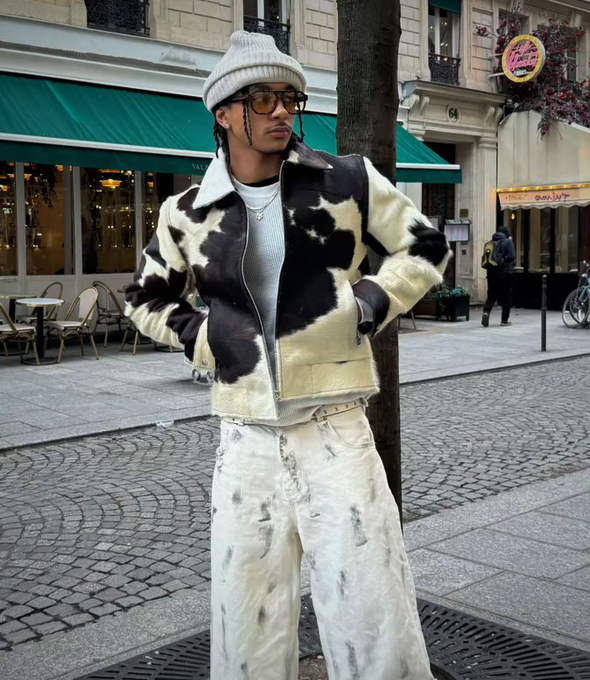 custom streetwear manufacturer OEM streetwear manufacturer premium streetwear clothing manufacturers streetwear manufacturer