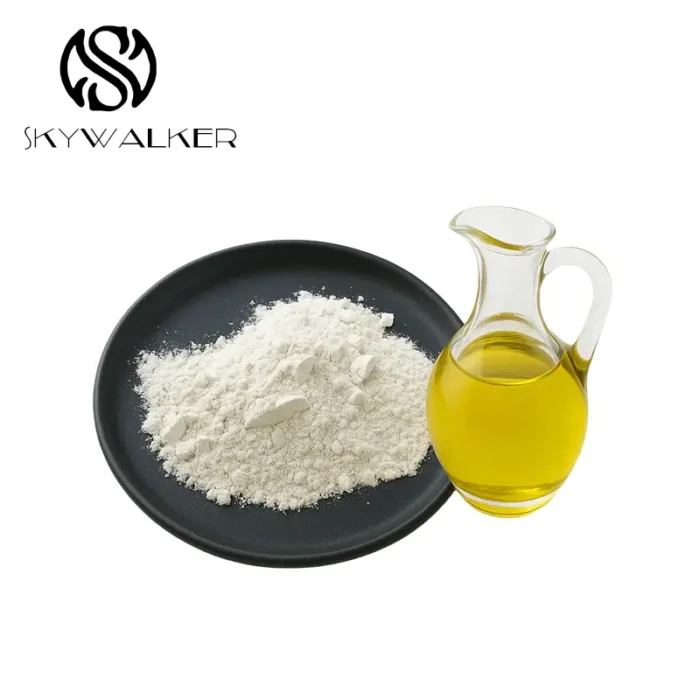
Recognizing modified whitening substance obligates a deep study of its attributes. This exceptional element is frequently used in the distillation of oils, competently discarding impurities. The treatment technique typically involves catalytic treatment, elevating its holding ability to bind colored molecules. At last, edible oil bleaching clay this resource will investigate the fundamentals behind processed bleaching clay and its employments.
Detoxifying Earth Providers: Selecting the Suitable Company
Ensuring a solid company of activated clay is vital for many fields, particularly those involved in vegetable oil distillation. Electing the correct supplier requires careful consideration beyond just price. Evaluate their experience in bleaching agent delivery, their verification procedures, and their capability to consistently accommodate your required amount needs. A trustworthy bleaching earth vendor will also offer expert advice and a range of grades to match your tailored application.
Distinct Foundation Behind Modified De-colorizing Substance
Treated bleaching earth, a cornerstone in the refining system for edible oils, functions through a fascinating assembly of tangible and chemical engagements. Initially, naturally occurring illite is activated – a operation involving heat and compounds – to drastically increase its surface surface. This expanded surface provides an immense number of points for the intentional adsorption of color pigments, pollutants, and unfavorable odor compounds. The mechanism is primarily surface binding, where molecules are held by weak van der Waals interactions, though some active adsorption can also develop with certain agents. This results to a significant minimization of color and boost of the oil's aspect and taste.
Detoxifying Compound - Features and Benefits
De-colorizing material, frequently termed kaolinite, displays unique attributes that make it notably beneficial across wide array of industries. Its foremost attribute is its outstanding lightness, emanating from its low trace element level. This property allows it advantageous for purposes demanding a shining appearance. Besides its color, purifying soil is generally malleable and exhibits noteworthy moldability, granting it to be simply fashioned. Typical employments include pulp assembly, plastic stiffening, medicinal compounds, dermatological goods, and as an capacity-enhancing agent in diverse mechanical operations. Likewise, it finds implementation in pottery and lacquer branches.
Picking the Optimal Improved Bleaching Material for Particular Objectives
Selecting the suitable treatment element can be a challenging method, as distinct applications involve different properties. Evaluate the category of compound you’re transforming; some earth are superior for herbal oils, while diverse varieties are customized towards animal fats. Elements like particle size and filtering ability considerably influence operation.
- Consider the color and odor strength of the raw material to set the needed purification extent.
- Analyze the dispersion; finer particles generally offer greater surface area, but may present filtration challenges.
- Understand the water level as it affects the material’s purifying capability.
Detoxifying Mineral: Development Operations and Control
The manufacture of bleaching earth, a widely utilized substance for oil refining and chemical purification, involves several key intervals. Initially, attapulgite is procured and then subjected to preparation via heat treatment and/or chemical alteration. This practice enhances the sorptive properties of the compound. Later, rigorous quality tests are implemented, covering assessments of grain size orientation, crude adsorption capability, and moisture ratio. Cutting-edge analytical methods, such as spectroscopy analysis and formal analysis, are exploited to assure a dependable entity that adheres to stringent criteria.
Eco-compatible Sourcing of Enhanced Bleaching Clay
The climbing demand for activated bleaching earth presents a major challenge regarding its development and environmental influence. Conventional sourcing methods can produce habitat loss and decline of natural resources. Consequently, a transition towards sustainable sourcing is vital. This involves adopting practices like reforestation of mined areas, repurposing waste materials from other industries for fabrication, and supporting domestic communities to ensure ethical and trustworthy mining operations. Furthermore, accreditation schemes and meticulous review processes are imperative to substantiate that the aggregate is obtained in a truly renewable manner. Concerns should also include lowering electricity consumption during processing and fluid usage.
- Land rehabilitation efforts
- Employing waste materials
- Cooperating with local communities
- Certification schemes
Purifying Aggregate Source Catalog: Foremost Businesses Rated
Identifying a consistent clay supplier can be a obstacle, but our comprehensive registry aims to improve the process. We’ve thoroughly collected data and graded leading suppliers in the bleaching earth industry. This directory highlights notable producers known for their standards and backing, allowing buyers to find the top source for their individual needs. Countless factors, including manufacturing output, offering, and feedback, were reviewed in determining these preferred ratings.
Interpreting Activated Bleaching Earth Performance Metrics
To skillfully assess the efficiency of activated bleaching earth, it’s important to comprehend key technical metrics. These parameters often include color measure, typically measured using a meter, which demonstrates the earth’s ability to absorb color from oils. Additionally, acid concentration is vital, as it controls the bleaching process; a higher proportion usually matches with improved whitening capabilities. Finally, retentive area, often gauged via BET analysis, profoundly impacts the earth’s capacity to retain colorants, ultimately controlling its overall lightening strength.